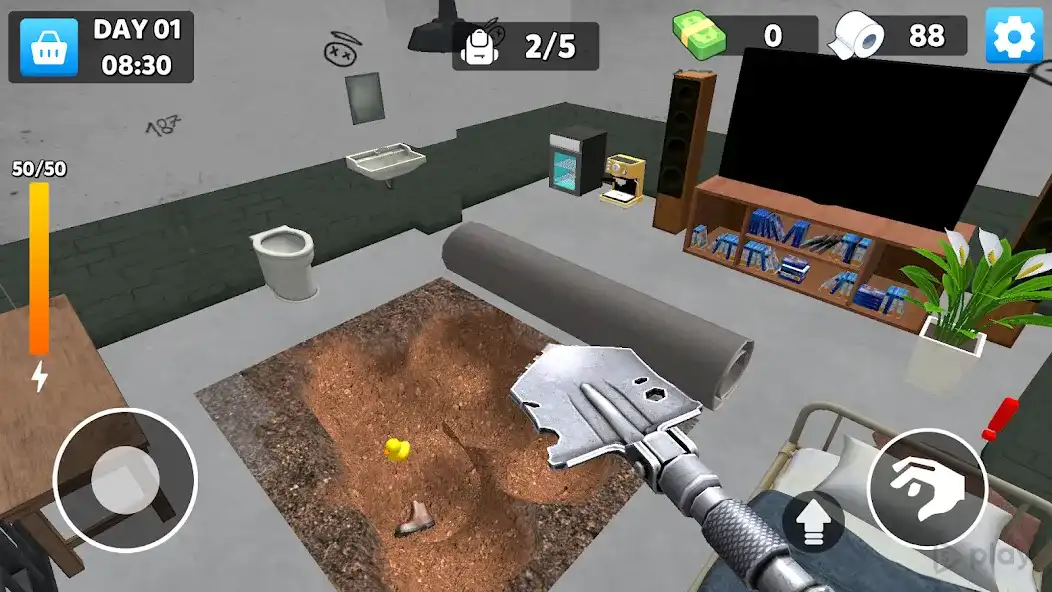
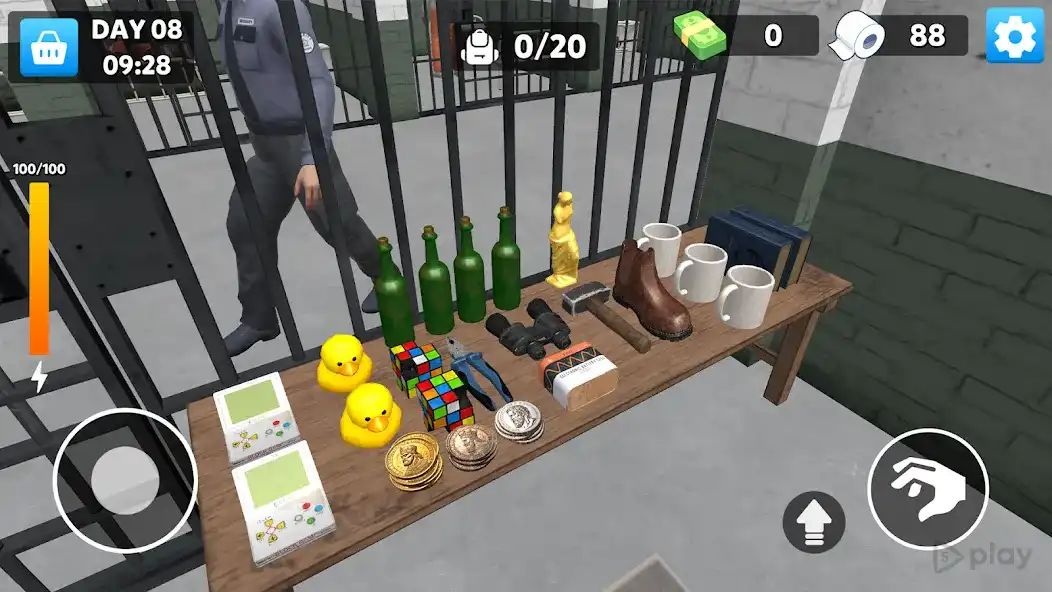
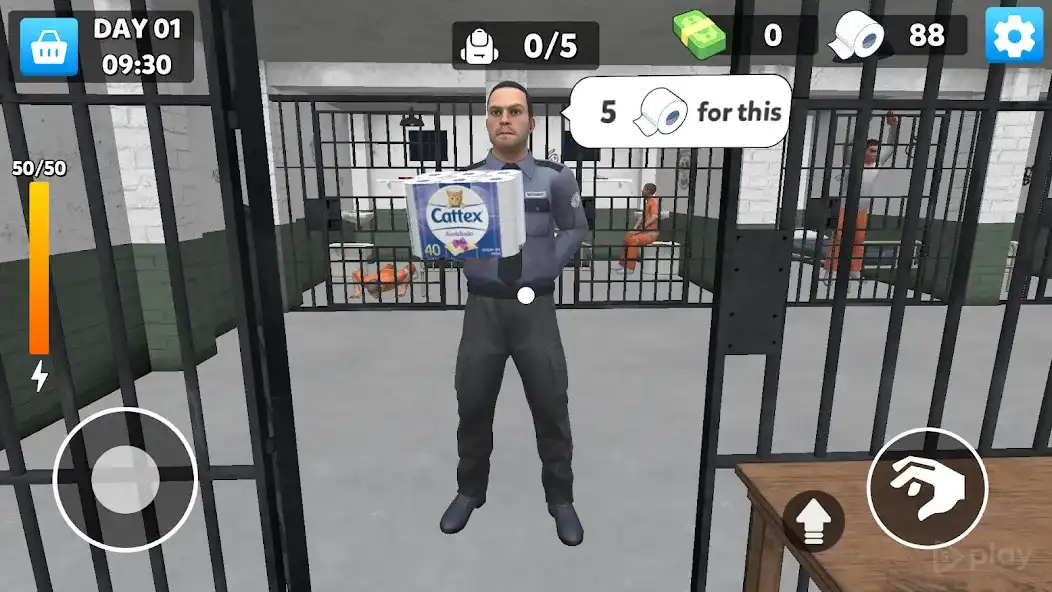
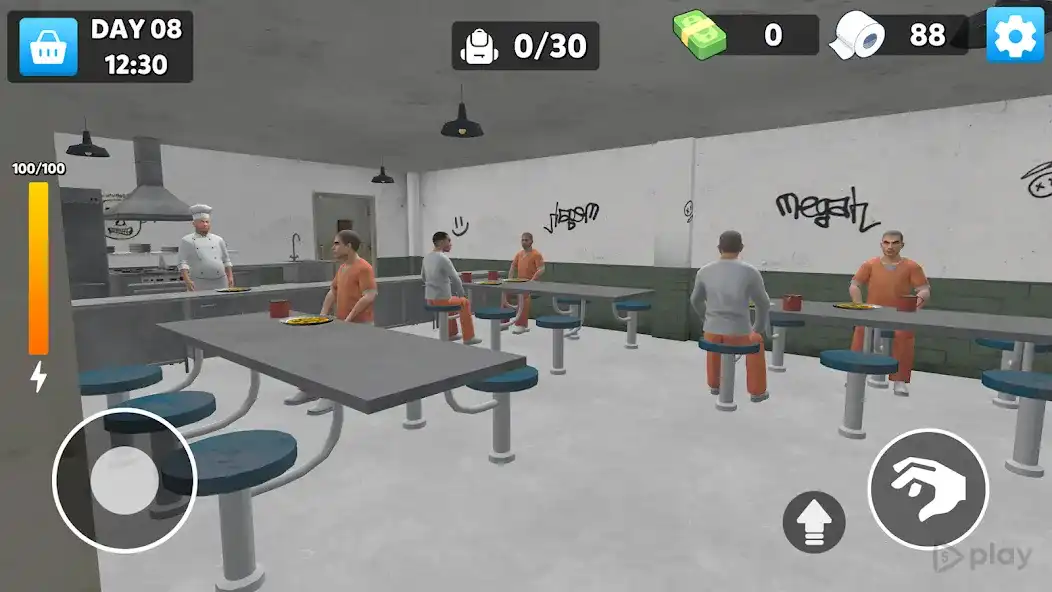
In the first moments, Prison Escape Journey doesn’t insist on labels, letting you feel out the place — corridors, cells, voices through concrete — as work you take on step by careful step. The pace grows from scouting to precision: listen for a guard’s cadence, count the pause, catch the glassy blink of a camera. Choices look simple but build into a route where any slip is obvious. Small rituals matter: pinch the lock, drag a short arc, and the latch yields with a dry click. Tools stay humble; they open options if you read the room. The interface keeps quiet and nudges rhythm when needed. The staff follow a clock you learn to inhabit, moving between beams of light like a shadow. It’s not about swagger; it’s about attention — notice, distract, slide past, keep your pulse even. You start marking quiet landmarks: the vent by the laundry, the scuff on the third door, a two-count before the next footfall.
 ARM64
ARM64

















Comments 1