The Expedition 33 developers actually tried neural networks, but quickly abandoned them
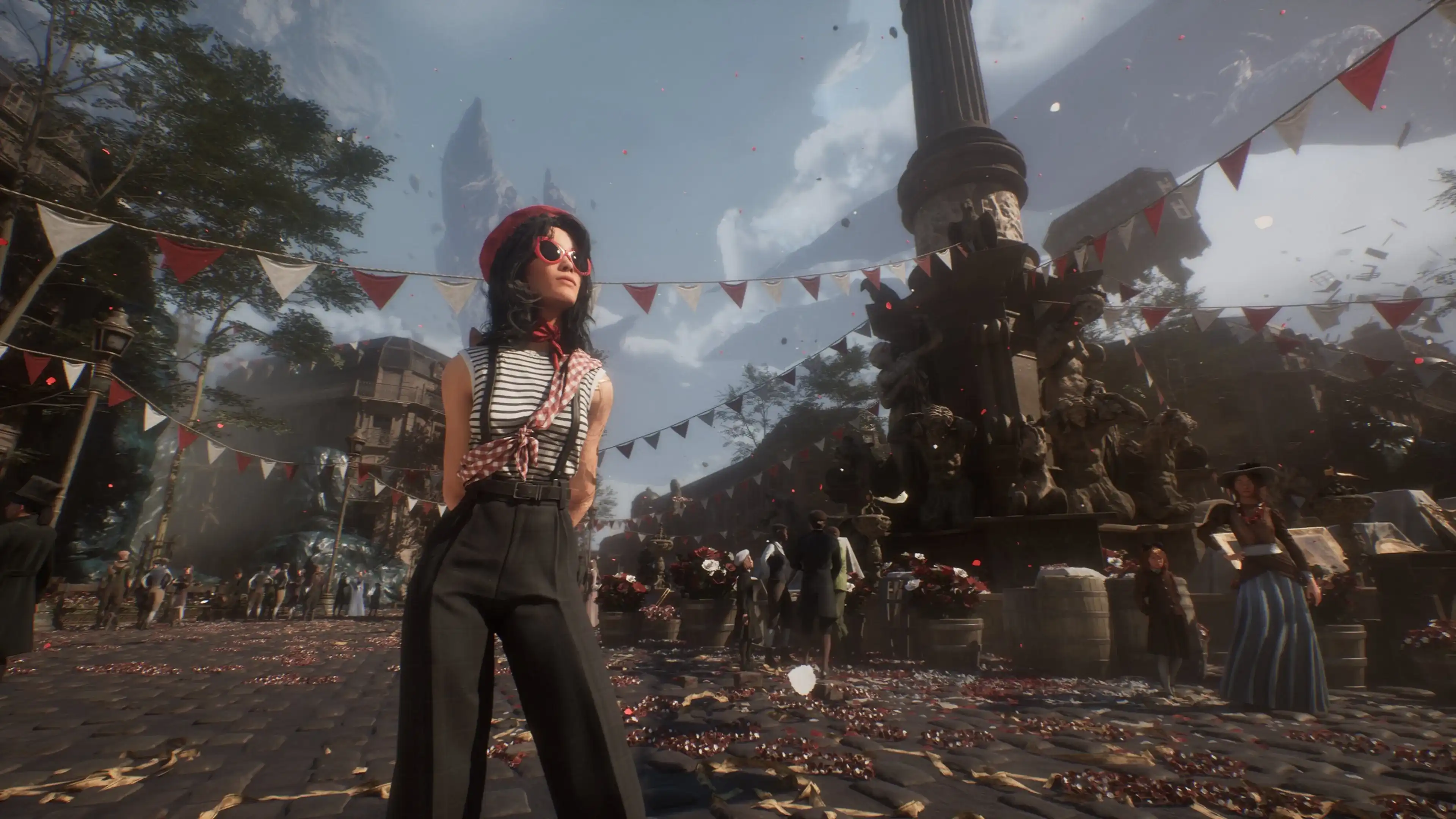
Sandfall Interactive has decided to further clarify the situation surrounding the use of generative artificial intelligence (GAI) in Clair Obscur: Expedition 33. This was prompted by the community's furious response following the developers' recent admission of early experiments with neural networks, which led to the revocation of two awards from The Indie Game Awards.
In a conversation with YouTube blogger Sushi, the project's game director, Guillaume Brioche, and art director, Nicolas Maxon-Francombe, confirmed that the team had indeed tested GenAI's capabilities in the early stages of development. According to them, this occurred back in 2022, when such technologies were just beginning to be actively discussed in the industry. Neural networks were considered as a potential auxiliary tool, but the developers found the results to be unsuccessful and contrary to the spirit of the project.
The developers clarified that the AI-generated assets were used solely as temporary templates for certain missing elements, such as textures. As soon as these templates came to the team's attention, they were replaced or completely removed. In the final version of the game, Sandfall Interactive assured that all content—from concept art to voice acting—was created by humans, without the use of neural networks.
After the release of Clair Obscur: Expedition 33, players noticed several advertisements in the game world that appeared to be the work of AI. The studio quickly replaced these elements, and the issue died down for a while, but in December, the discussion flared up again. To finally settle the matter, Brioche emphasized that Sandfall Interactive does not plan to use generative AI in future projects.
The situation surrounding Expedition 33 has become part of a broader debate in the gaming industry. Larian Studios recently came under fire after Sven Vincke admitted to using AI for auxiliary tasks. Despite assurances that it was not replacing human specialists, the studio faced a backlash. The debate over the admissibility of neural networks in game development has already seen both proponents of a cautious approach and its ardent opponents speak out, which only underscores the urgency of the issue.





There are no comments yet :(