E-readers are more helpful than paper books for falling asleep
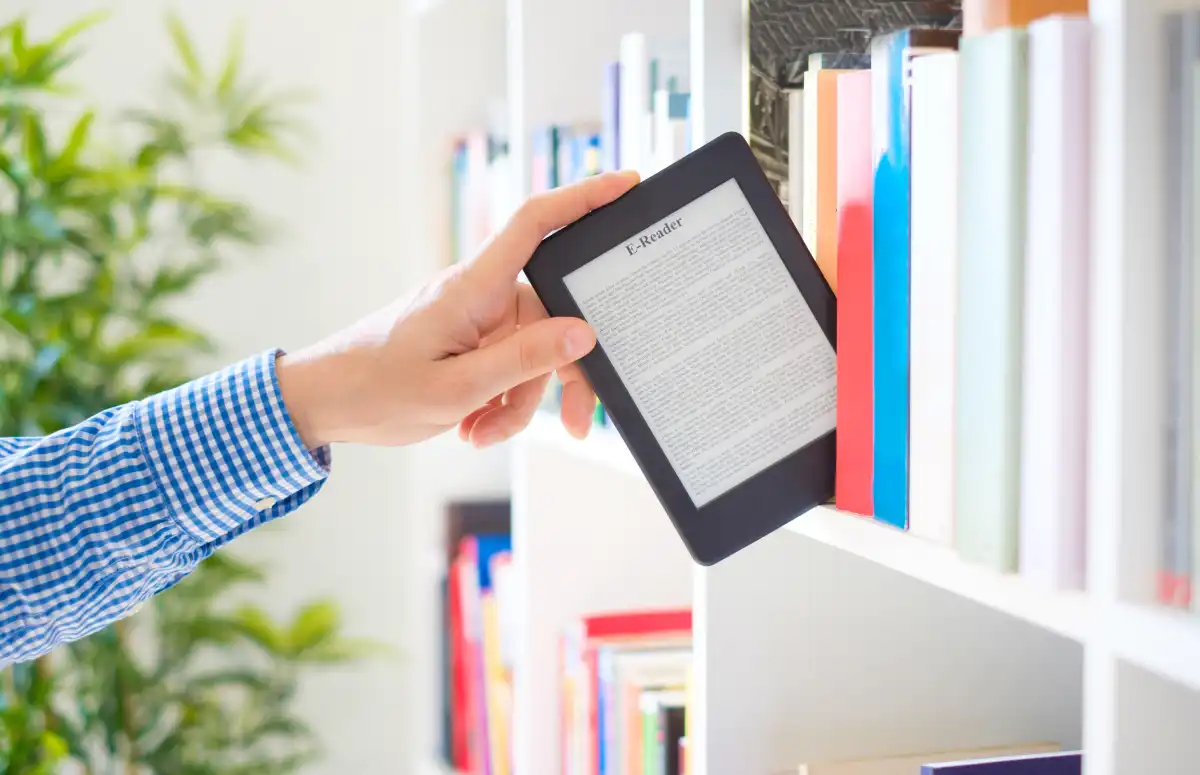
A new study conducted by Katherine Sharkey of Wake Forest University School of Medicine and published in the NYT Wirecutter overturns traditional notions about the impact of reading on sleep quality. Contrary to popular belief, e-books, not paper books, may promote faster sleep by reducing physical strain on the body.
The study's author attributes this phenomenon not to the screen's backlighting, but to the ergonomic advantages of the devices. When reading on an e-reader, a person doesn't have to hold a heavy book, straining the muscles of the arms and shoulders; turning pages requires only a light touch of a finger. This reduction in muscle effort and cognitive load allows the brain to more quickly enter a relaxed state, preparing for sleep, especially after a stressful workday.
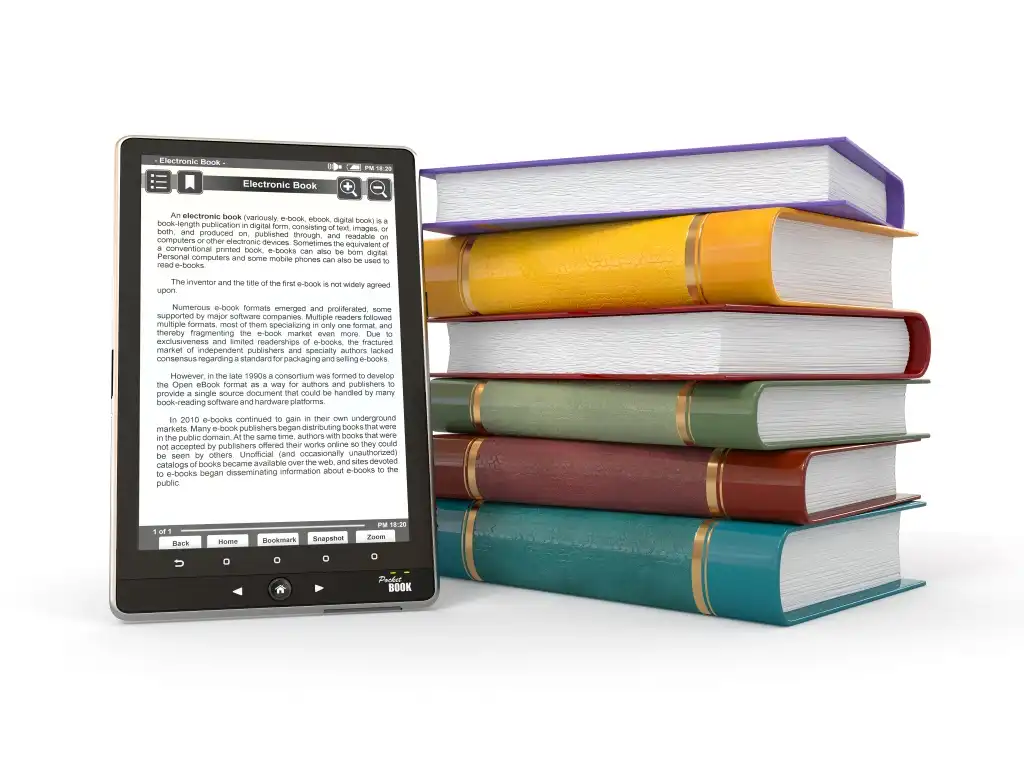
Previously, some scientific studies have pointed to the potential harm of electronic devices due to their impact on melatonin production, but the methods of those experiments have been repeatedly criticized for inaccuracies and insufficient rigor. They often used regular tablets and smartphones, rather than specialized e-readers with matte e-ink screens. New data suggests that it is precisely the lack of physical effort that makes modern e-readers an optimal choice for evening leisure.





There are no comments yet :(